AI Fake Lawyer Videos in Pakistan: How Deepfakes Are Fooling Social Media Users
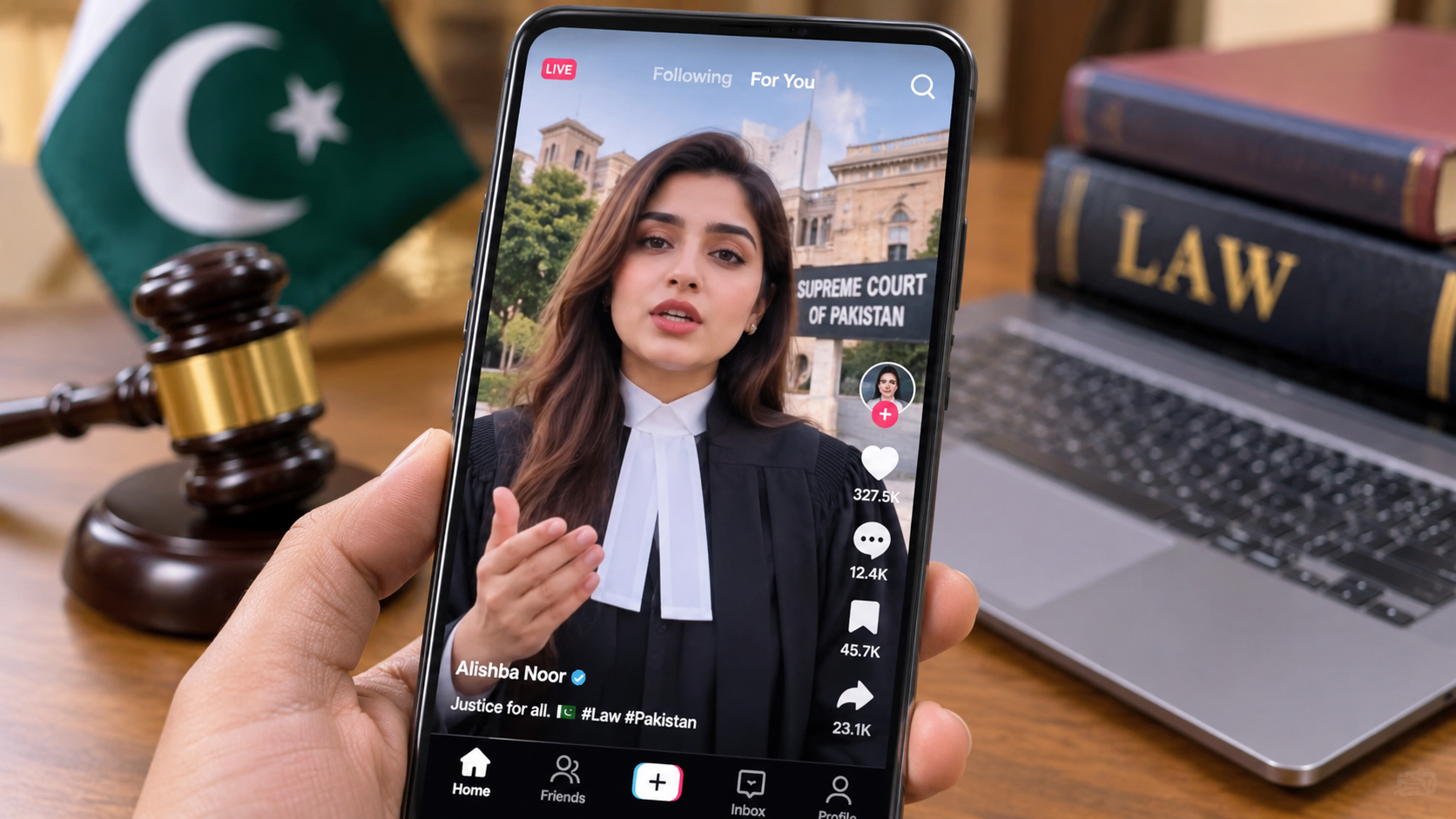
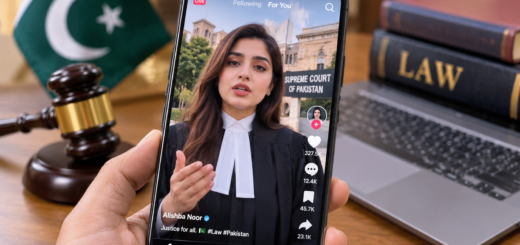
AI fake lawyer videos in Pakistan have become a major social media talking point after a fictional, AI-generated woman presented as a lawyer gained widespread attention online. The character, identified in reports as Alishba Noor, appeared in videos alongside well-known personalities and attracted significant attention on platforms such as TikTok.
However, the videos were not genuine recordings of a real lawyer. The controversy has raised important questions about artificial intelligence, fake online identities and the growing difficulty of distinguishing real people from AI-generated characters.
What Happened With the AI Fake Lawyer Videos in Pakistan?
The controversy gained attention in November 2026 when videos featuring an AI-generated woman wearing a lawyer’s black coat began circulating on social media.
Some videos appeared to show the fictional character at court premises alongside public figures and Pakistani social media personalities.
As a result, some viewers reportedly believed that the woman was a real lawyer. The accounts sharing the videos attracted attention and followers before the character’s AI-generated nature became a major topic of discussion.
According to Pakistani media reports, a lawyer submitted a complaint to the National Cyber Crime Investigation Agency (NCCIA), requesting an investigation into the accounts and the people operating them.
Importantly, the complaint contains allegations and requests for investigation. It should not be treated as proof that a particular person has committed an offence.
How AI Deepfakes Are Changing Social Media
Artificial intelligence can now generate realistic faces, voices, images and video scenes.
In the past, creating convincing fake videos required specialist editing skills. Today, AI tools can make the process much easier and more accessible.
“However, problems arise when creators present fictional characters as real people without clearly disclosing their AI-generated nature.”
“Moreover, creators can use AI-generated personalities for entertainment, advertising and storytelling.”
Why Are AI Fake Videos a Serious Concern?
The issue goes beyond one viral character.
First, fake identities can mislead audiences who trust what they see online. Second, AI-generated videos may use the appearance or identity of real people without their permission.
Furthermore, fake professional identities can create confusion. Viewers may believe that someone is a qualified lawyer, doctor or financial expert when no such professional identity exists.
This can damage public trust and potentially expose people to scams or misinformation.
How to Identify AI-Generated Videos
Although deepfakes are becoming more realistic, viewers can still take precautions.
Look for these possible warning signs:
- Unnatural lip movements or facial expressions
- Strange blinking or eye movements
- Inconsistent lighting and shadows
- Unusual changes in facial details
- Background objects that appear distorted
- Voices that sound unnatural or do not match the person’s expressions
However, these signs are not conclusive. Modern AI can produce highly convincing videos, so independent verification is important.
Before sharing a suspicious clip, check the original account, look for reliable news coverage and compare the footage with verified sources.
What Can Pakistani Social Media Users Do?
Pakistan’s National Cyber Crime Investigation Agency provides an official online complaint portal for reporting suspected cybercrime.
“Users who believe someone has misused their identity, images or personal information should preserve relevant evidence, including links, screenshots and account details.”
Additionally, social media users should avoid forwarding unverified videos simply because they are entertaining or trending.
The Pakistan Telecommunication Authority has also issued public guidance about identifying deepfake content and verifying suspicious digital media.
What Does This Mean for Pakistan’s Digital Future?
The AI fake lawyer controversy demonstrates how quickly artificial intelligence can influence online conversations.
For businesses, creators and digital marketers, it is a reminder that online credibility matters. A viral video may generate attention, but misleading audiences can damage long-term trust.
As AI-generated content becomes more common, platforms and creators will need clearer disclosure practices.
You can also explore our guide to Social Media Trends in 2026 to understand how online platforms and digital content strategies are changing.
Frequently Asked Questions
What are the AI fake lawyer videos in Pakistan?
They are AI-generated videos featuring a fictional woman presented online as a lawyer. The character became a social media talking point in November 2026.
Who is Alishba Noor?
Alishba Noor is the name associated in media reports with the AI-generated lawyer character. The videos should not be treated as evidence of a real lawyer’s identity or professional activities.
Has the NCCIA received a complaint?
Pakistani media reported that a lawyer submitted a complaint to the NCCIA requesting an investigation into the accounts sharing the videos.
Can AI create realistic fake videos?
Yes. Modern AI tools can generate realistic faces, voices and video scenes. Therefore, viewers should verify suspicious content before believing or sharing it.
How can I report cybercrime in Pakistan?
You can visit the official NCCIA complaint portal to access its cybercrime reporting service.
Final Thoughts
The AI fake lawyer controversy is another example of how artificial intelligence is changing Pakistan’s social media landscape. While AI creates exciting opportunities for content creators and businesses, it also makes digital awareness more important than ever.
Ultimately, users should remember one simple rule: seeing a video online does not automatically make it real.