Big Tech’s $720 Billion AI Spending in 2026: Is the AI Boom Finally Getting Too Expensive?
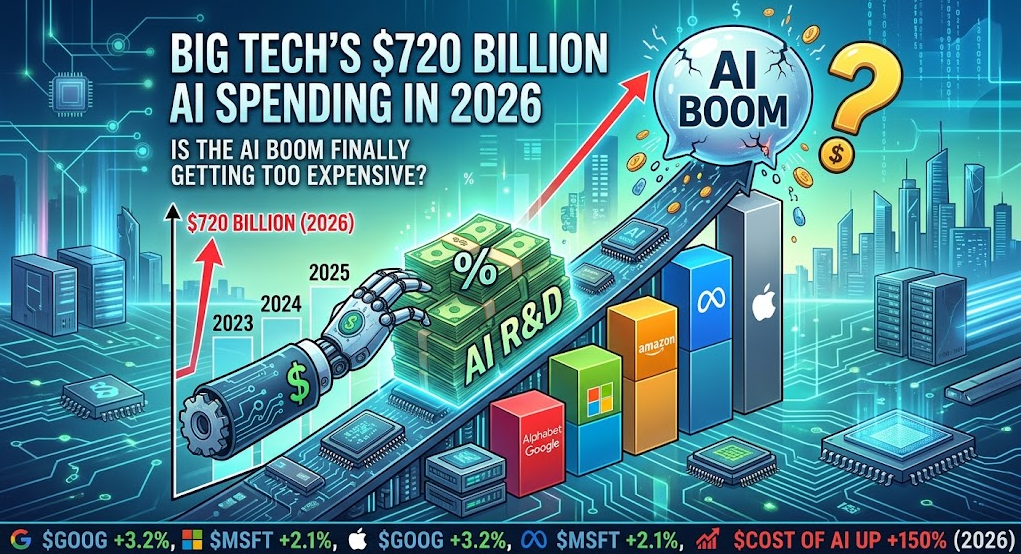
Big Tech AI Spending 2026 is becoming one of the largest technology investment cycles in history. Amazon, Microsoft, Google and Meta are planning massive investments in artificial intelligence infrastructure, data centers, AI chips and advanced computing technology.
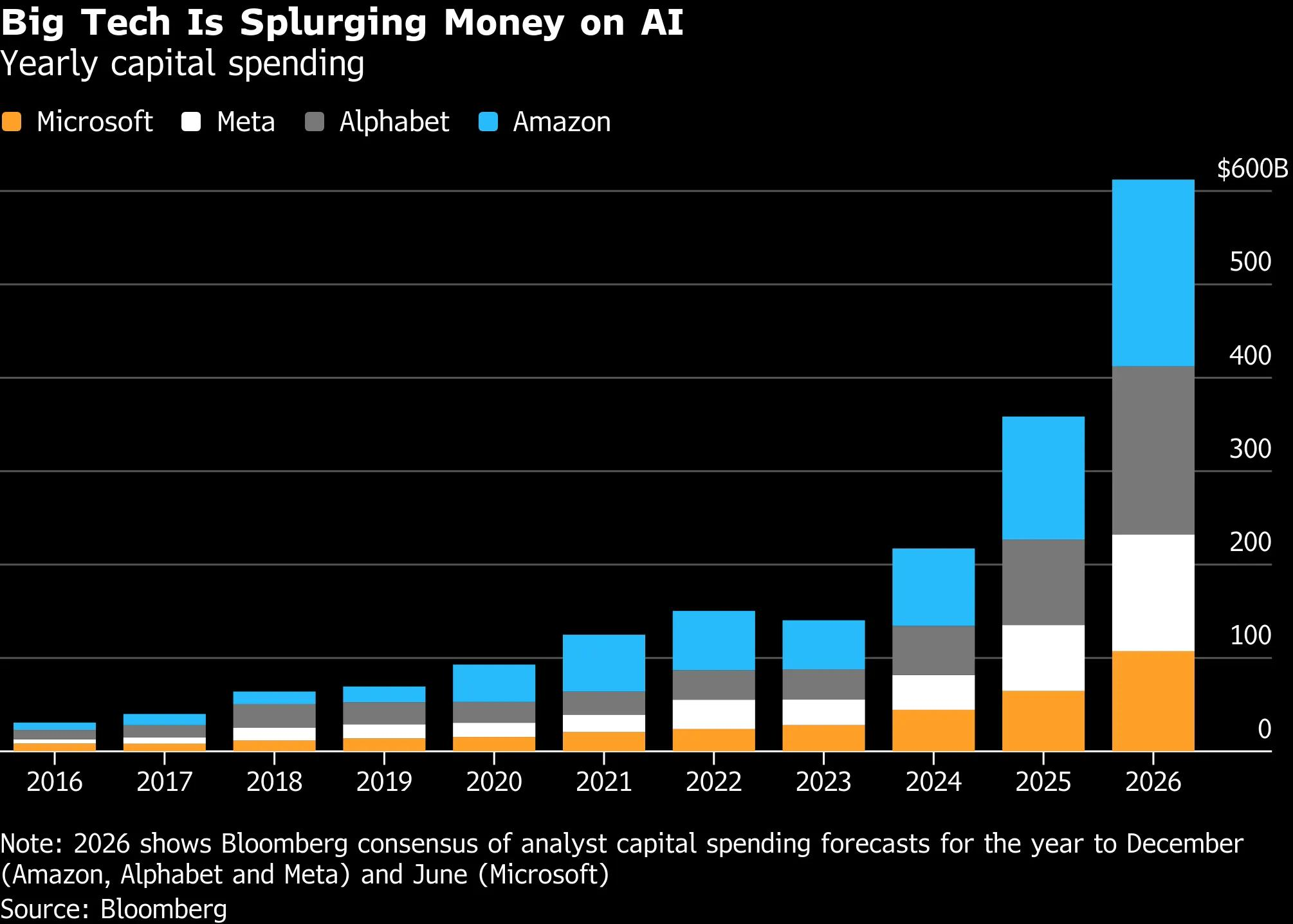
Big Tech AI spending in 2026 is expected to reach extraordinary levels, with Amazon, Microsoft, Google and Meta together planning at least $720 billion in capital expenditure, much of it connected to AI infrastructure.
But a major question is emerging:
When will all this AI spending generate enough profit to justify the investment?
How Much Is Big Tech AI Spending in 2026?
AI models require enormous computing resources.
Companies need:
- AI chips
- Data centers
- Servers
- Networking equipment
- Electricity
- Cooling systems
- Cloud infrastructure
- Research teams
Building this infrastructure is extremely expensive.
The largest technology companies are competing to ensure they have enough computing capacity for AI services.
Big Tech AI Spending 2026: The $720 Billion Infrastructure Race
Current reporting indicates Amazon, Microsoft, Alphabet and Meta are planning more than $720 billion in capital spending during 2026.
This investment reflects how seriously the companies view AI.
They are not simply adding AI features to existing software.
They are building the physical infrastructure required to operate AI at enormous scale.
Why Investors Are Concerned About Big Tech AI Spending
High spending is not automatically a problem.
The concern is whether revenue and profits can grow quickly enough to justify the investment.
If companies spend hundreds of billions on infrastructure but customers do not generate enough revenue from AI products, investors may question the return on investment.
This is particularly important because AI data centers also consume huge amounts of electricity and require significant physical infrastructure.
How AI Spending 2026 Is Transforming Data Centers
When people think about AI infrastructure, they often think about powerful AI chips.
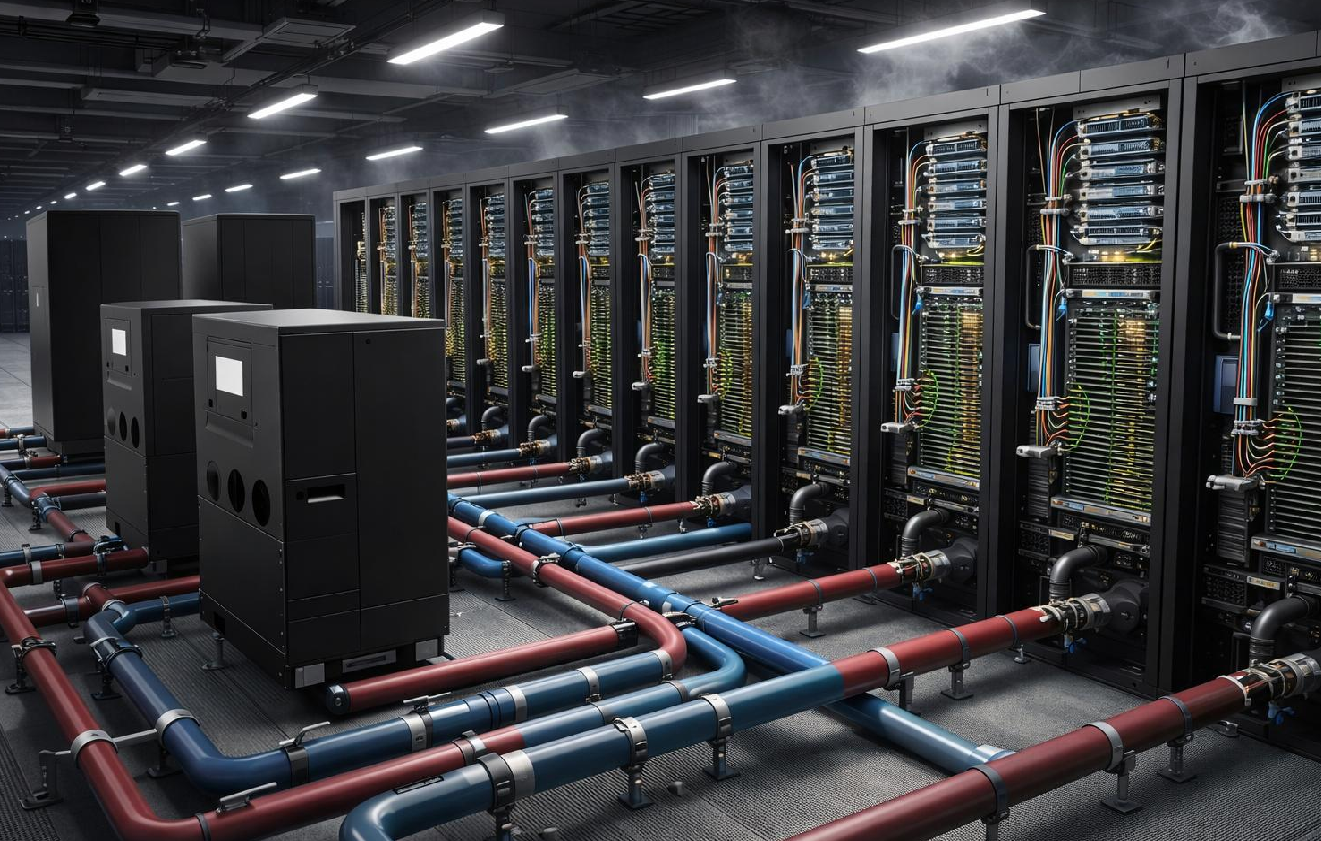
But data centers require much more.
They need:
- Electricity
- Cooling
- Networking
- Buildings
- Backup power
- Storage
- Security
- Land
- Fiber connections
This means the AI boom is also affecting energy, construction, semiconductor manufacturing and cloud computing.
Could AI Spending Continue Growing?
Current reporting suggests the major technology companies have not signaled a major retreat from AI infrastructure investment.
The reason is simple.
Companies fear that spending too little could allow competitors to gain an advantage.
If AI becomes one of the most important technology platforms of the next decade, missing the infrastructure race could be more expensive than overspending.
The AI Profitability Problem
The technology industry has already seen huge demand for AI products.
But building and operating AI systems is expensive.
Companies therefore need to solve several problems:
Lower computing costs
AI models need to become cheaper to operate.
Increase enterprise adoption
Businesses need to pay for AI products at scale.
Create new revenue streams
AI needs to produce meaningful business value rather than simply increase usage.
Improve efficiency
Better models could deliver stronger results using fewer computing resources.
What Does This Mean for Startups?
The massive investment by Big Tech could benefit startups.
Cloud providers may offer more AI infrastructure.
Developers may gain access to better models.
New APIs and tools could become cheaper or more capable.
However, startups also face intense competition because large technology companies can spend enormous amounts on infrastructure.
Artificial intelligence is also changing the way businesses manage their social media accounts, create content and communicate with customers. Many companies are using AI-powered tools to automate repetitive marketing tasks and improve productivity. Read our article Can AI Replace Social Media Managers in 2026? to understand how AI is transforming the digital marketing industry.
Is the AI Boom a Bubble?
It is too early to say that AI is simply a bubble.
AI is already being integrated into search, software development, advertising, customer service, education and many other industries.
The bigger question is whether the financial returns will eventually match the enormous infrastructure investment.
That debate is likely to continue throughout 2027.
What Website Owners Should Learn From the AI Spending Race
For digital businesses, the lesson is not simply “use AI.”
The smarter approach is to identify where AI actually creates measurable value.
Businesses should ask:
- Does AI save time?
- Does it reduce costs?
- Does it increase conversions?
- Does it improve customer service?
- Does it increase productivity?
- Does it create new products?
AI should be treated as a business tool rather than a trend.
For readers interested in digital marketing, our Social Media Trends in 2026 article provides additional context about how technology is changing digital strategies.
The Bottom Line
The AI industry is entering a new phase.
The early stage was dominated by excitement over what AI could do.
The next stage will be about economics.
Can AI companies turn massive infrastructure investments into sustainable revenue and profit?
That may become the most important AI question of the next few years.
Frequently Asked Questions
How much are Big Tech companies spending on AI in 2026?
Amazon, Microsoft, Alphabet and Meta are collectively expected to spend at least $720 billion in capital expenditure during 2026, much of it related to AI infrastructure.
Why is AI infrastructure so expensive?
AI requires powerful chips, data centers, networking, electricity, cooling and other infrastructure.
Is Big Tech’s AI spending sustainable?
The long-term sustainability depends on whether AI products generate enough revenue and productivity gains to justify the infrastructure costs.
Why do companies keep investing in AI?
Companies fear falling behind competitors in what they view as a major technology shift.
Will AI become more profitable?
AI profitability could improve as models become more efficient, enterprise adoption increases and companies discover stronger commercial applications.
Outbound source: The Verge — Big Tech’s AI Data Center Buildout