Pakistan’s Social Commerce Revolution: How Social Media Is Changing Online Shopping
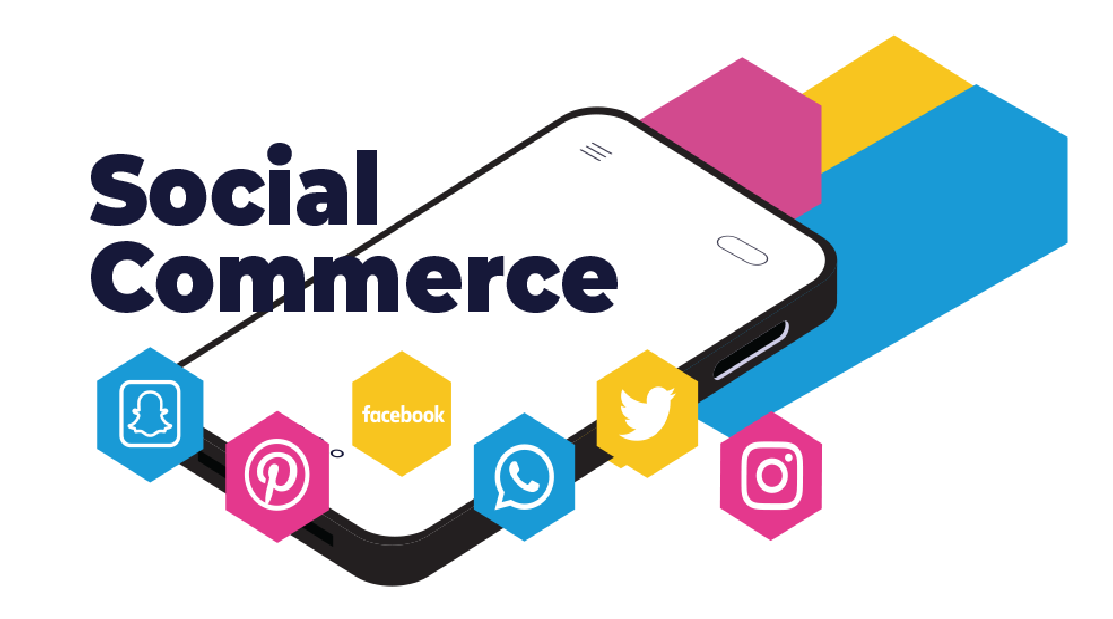
Social Commerce in Pakistan is transforming the way people discover products, communicate with brands and make purchasing decisions. What started as simple product promotions on Facebook and Instagram has developed into a growing digital business opportunity. Today, small businesses, influencers, home-based entrepreneurs and established brands use social media to attract customers and generate sales.
From clothing boutiques and skincare brands to food businesses and electronics stores, social platforms are becoming important sales channels. This shift is creating new opportunities for Pakistan’s growing digital economy.
What Is Driving Social Commerce in Pakistan?
The increasing use of smartphones, affordable internet and social media platforms has changed consumer shopping habits. Instead of visiting physical markets or searching through traditional online stores, many customers now discover products through Instagram reels, Facebook pages, TikTok videos and WhatsApp recommendations.
According to Visa’s June 2026 Stay Secure study, 82% of Pakistani consumers have purchased products directly through social commerce. This demonstrates how social platforms have become an important part of the country’s shopping experience.
Furthermore, customers can communicate with sellers, request product details, compare prices and place orders without leaving their favourite social applications.
Social Commerce in Pakistan: Instagram, TikTok and Facebook
Different social media platforms offer businesses different ways to connect with potential buyers.
1. Instagram: Building Visual Brands
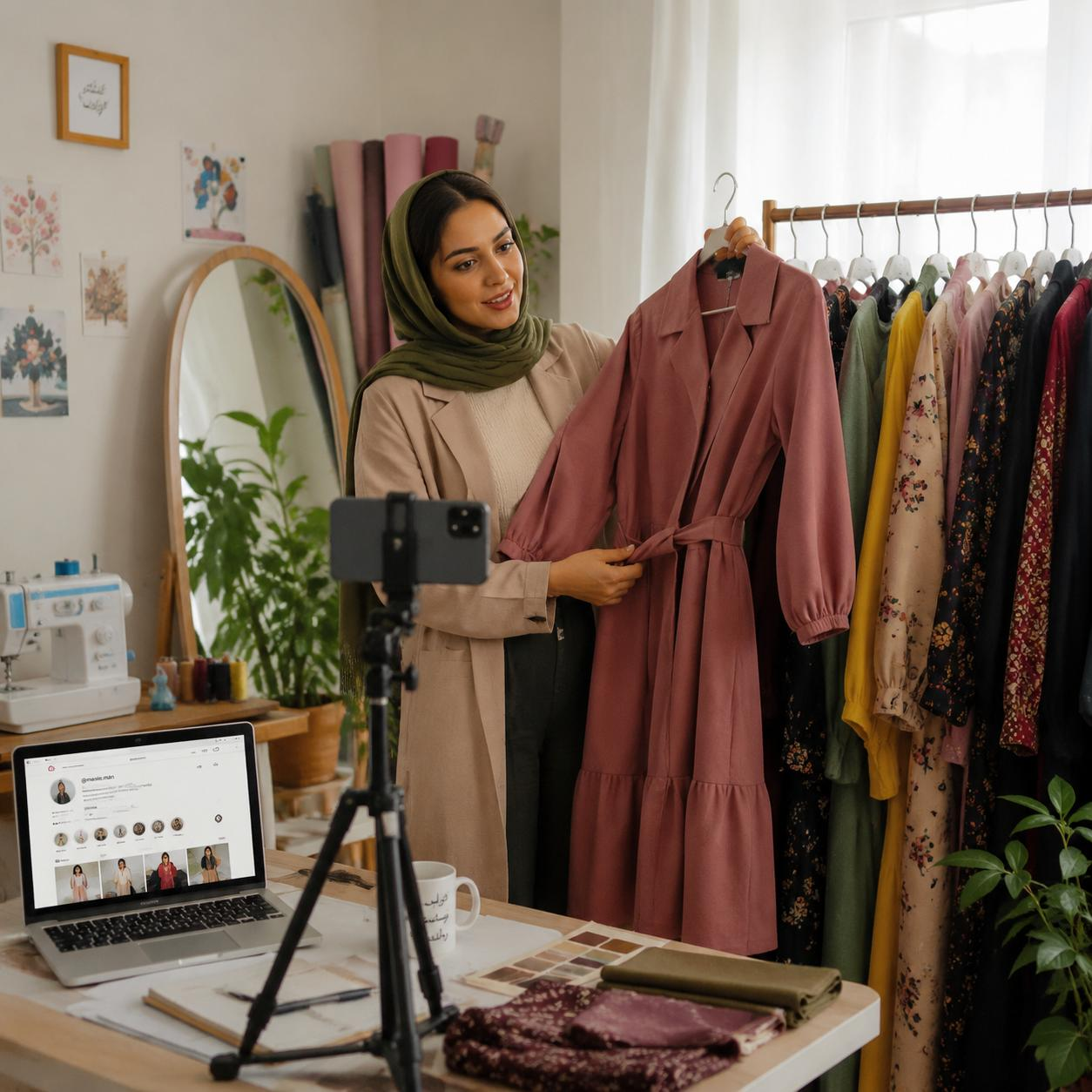
Instagram has become particularly valuable for fashion, beauty, jewellery, food and lifestyle businesses. Brands use reels, stories, product demonstrations and influencer collaborations to showcase their products.
For example, a local clothing brand can introduce a new collection through reels, share customer reviews and receive orders through direct messages or WhatsApp.
Businesses can also explore our guide on Instagram SEO in 2026 to learn how to improve their visibility and attract more customers.
2. TikTok: Turning Content into Sales
TikTok has created opportunities for businesses to reach audiences through short-form videos. Product reviews, unboxing videos, demonstrations and creator collaborations can introduce products to thousands of potential customers.
Small businesses can benefit because engaging content can reach new audiences even without large advertising budgets.
3. Facebook: Connecting Sellers with Communities
Facebook remains useful for local businesses because of its business pages, groups, Marketplace and advertising tools.
Home-based entrepreneurs can showcase their products, join relevant communities and communicate directly with customers. It also helps businesses reach customers in specific cities and neighbourhoods.
Small Businesses Are Leading the Change
One of the biggest advantages of social commerce is its accessibility. Starting an online business no longer requires an expensive physical shop or a complicated website.
A home-based entrepreneur can create an Instagram page, upload product photographs, share customer feedback and accept orders through WhatsApp.
For instance, a small business selling handmade jewellery can use influencer partnerships and short videos to reach customers across Karachi, Lahore, Islamabad and other cities.
Similarly, local food brands, clothing stores, cosmetics sellers and independent creators can build their customer base through consistent online engagement.
This creates opportunities for women entrepreneurs, freelancers, young business owners and startups looking to establish their presence in the market.
Digital Payments Are Supporting Online Businesses
Social commerce also depends on convenient payment methods. Customers need reliable ways to pay, while sellers need efficient systems to receive money.
Pakistan’s digital payment infrastructure is developing rapidly. The State Bank of Pakistan’s FY2025–26 payment data, reported in October 2026, showed that digital channels accounted for approximately 92% of formal retail payment transactions by volume.
Services such as Raast, mobile banking applications and digital wallets are helping businesses move towards more convenient payment experiences.
However, cash on delivery remains important for many online shoppers, particularly those purchasing from unfamiliar sellers.
Challenges Facing Pakistan’s Social Commerce Industry
Despite its growth, social commerce still faces several challenges.
Online scams and fake sellers: Customers sometimes receive products that differ from advertised photographs or lose money to fraudulent accounts.
Lack of customer trust: New businesses may struggle to convince customers to make advance payments without established reviews or a reliable reputation.
Delivery and return issues: Delayed shipments, damaged products and unclear return policies can negatively affect customer experiences.
Strong competition: Thousands of businesses compete for attention, making quality content, customer service and brand identity increasingly important.
Visa’s 2026 study also highlighted the importance of online safety. Among Pakistani consumers who experienced scams, 44% reported that the incident occurred on social media.
Therefore, businesses must prioritise transparent pricing, genuine customer reviews, secure payments and clear return policies.
The Future of Social Commerce in Pakistan
The future of social commerce in Pakistan will likely involve stronger connections between content creation, online shopping and digital payments.
Influencer marketing, live product demonstrations, AI-powered recommendations and personalised advertising could make online shopping more interactive.
Moreover, businesses that combine social media marketing with professional websites, reliable delivery services and customer support will have better opportunities to build long-term relationships.
For Pakistani entrepreneurs, this is an opportunity to turn digital visibility into sustainable business growth.
Conclusion
Pakistan’s social commerce revolution is creating a new direction for online businesses. Instagram, TikTok, Facebook and WhatsApp are no longer simply communication platforms; they are becoming important tools for product discovery, customer engagement and sales.
As digital adoption continues to grow, businesses that focus on authenticity, creativity and customer trust can benefit from this changing marketplace. The next successful Pakistani business could begin with nothing more than a smartphone, a good idea and a social media account.
Frequently Asked Questions (FAQs)
1. What is social commerce in Pakistan?
Social commerce refers to buying and selling products directly through social media platforms such as Instagram, Facebook, TikTok and WhatsApp.
2. Which social media platform is best for selling products in Pakistan?
Instagram is popular for fashion and beauty brands, TikTok helps businesses reach new audiences through videos, while Facebook is useful for local communities and product promotions.
3. Is social commerce profitable for small businesses?
Yes. Small businesses can start with relatively low investment by using social media pages, organic content, influencer collaborations and direct customer communication.
4. How do customers pay for social media orders in Pakistan?
Customers commonly use cash on delivery, bank transfers, mobile banking applications and digital wallets. Raast is another option for instant digital payments.
5. What are the biggest challenges of social commerce in Pakistan?
Online scams, fake sellers, delivery problems, customer trust and increasing competition are among the major challenges.
6. What is the future of social commerce in Pakistan?
Social commerce is expected to become more interactive through influencer marketing, live shopping, artificial intelligence and improved digital payment systems.