Social Media Trends in 2026: 15 Strategies Every Business Needs to Know
Introduction
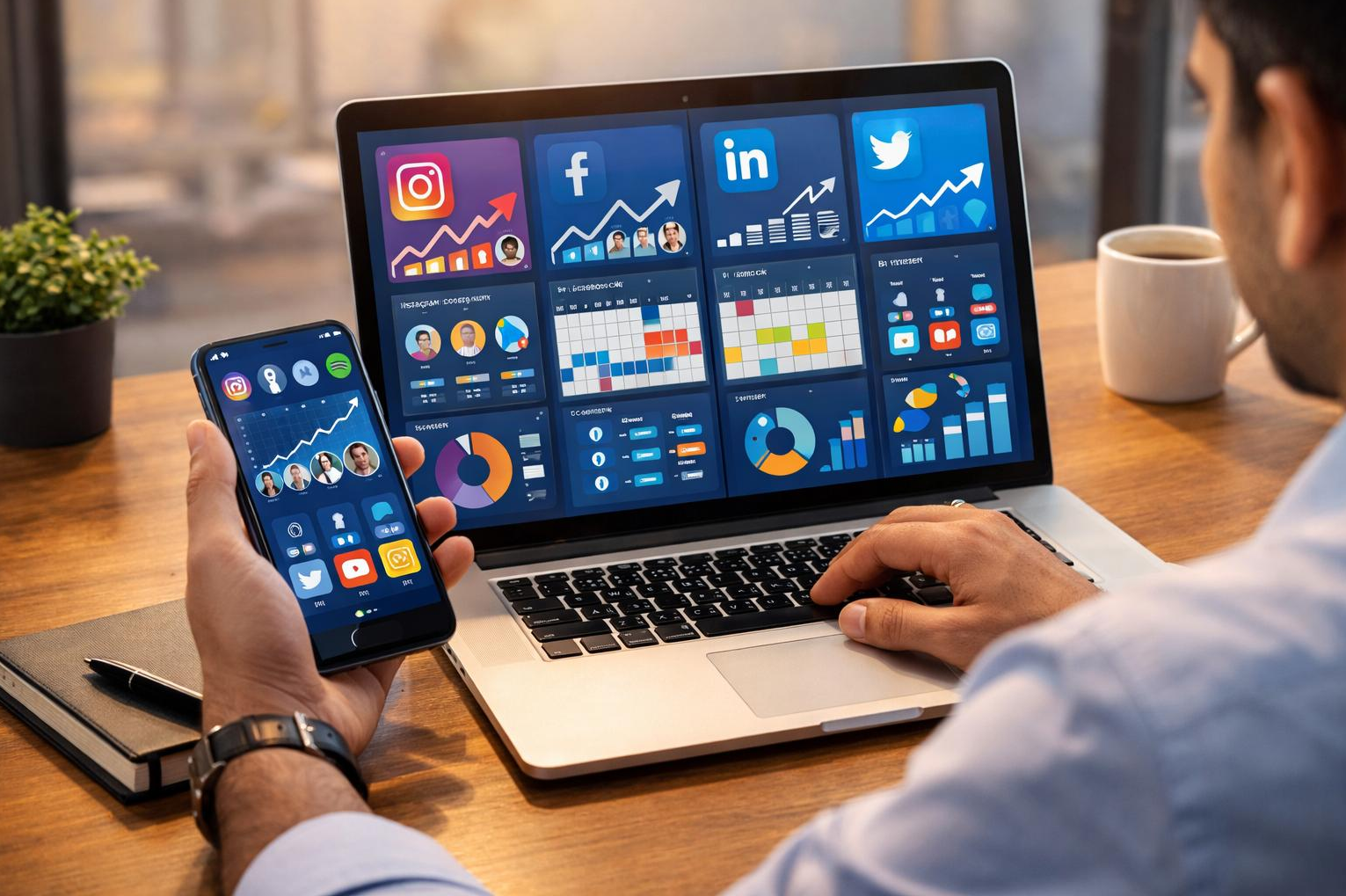
Social media is changing how businesses attract customers, build trust, and increase sales. The latest social media trends in 2026 highlight the importance of artificial intelligence (AI), short-form videos, social SEO, and authentic content.
However, simply posting every day is no longer a complete marketing strategy. Businesses need engaging content, clear goals, and consistent performance tracking. In this guide, discover 15 social media marketing strategies to help your business stay competitive and reach the right audience.
Why Social Media Trends Matter in 2026
Following relevant trends helps businesses improve brand awareness, connect with potential customers, and discover new growth opportunities. Moreover, an effective social media marketing strategy can support website traffic, lead generation, and sales.
Here are 15 important trends to consider.
15 Social Media Trends in 2026
1. AI-Powered Content Creation: A Key Social Media Trend
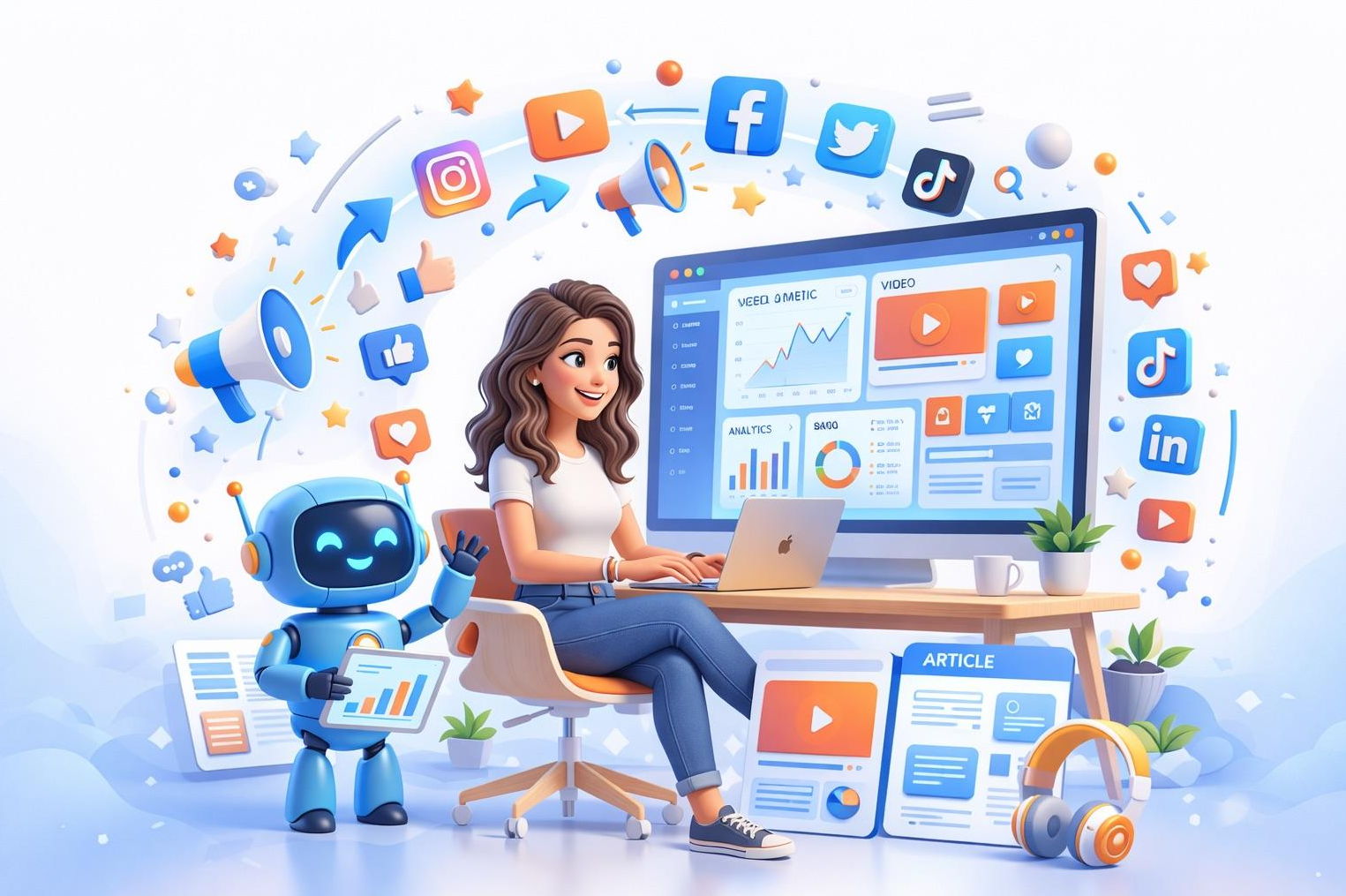
AI tools help marketers generate ideas, write captions, plan content calendars, and repurpose blog posts. Therefore, businesses can save time while maintaining a consistent publishing schedule. Always review AI-generated content to ensure accuracy and originality.
2. Social SEO: How to Improve Social Media Search Visibility
Users increasingly discover brands through social platforms. Include relevant keywords in captions, profile descriptions, video titles, and on-screen text. As a result, your content can become easier to discover through relevant searches.
3. Short-Form Video Marketing
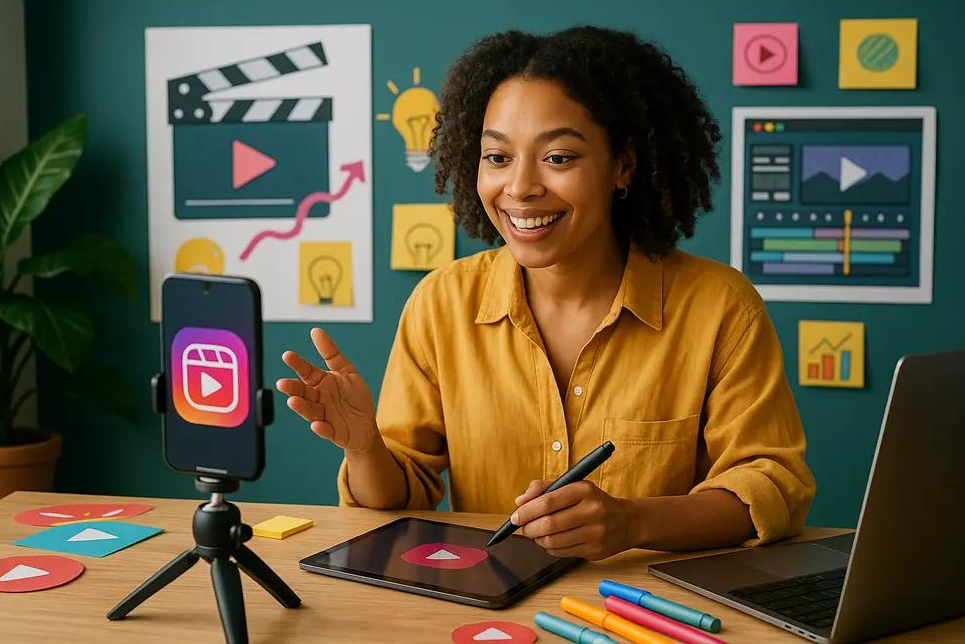
Instagram Reels, TikTok, and YouTube Shorts offer opportunities to demonstrate products and share quick tutorials. Start with a strong hook, deliver useful information, and finish with a clear call to action.
4. Authentic Brand Content
Audiences value relatable stories and honest communication. Show behind-the-scenes moments, answer customer questions, and share genuine experiences. Authentic content helps businesses build stronger relationships with their audiences.
5. Micro-Influencer Marketing
Micro-influencers often serve specific communities with relevant interests. Choose creators based on audience quality, credibility, and engagement rather than follower counts alone. Additionally, track campaign results to understand their business impact.
6. Social Commerce
Social commerce connects product discovery with purchasing opportunities. Businesses can use product demonstrations, customer reviews, and shopping features where available to simplify buying decisions and improve the customer experience.
7. User-Generated Content
Customer reviews, testimonials, and product photos provide social proof. Encourage customers to share genuine experiences and obtain permission before reposting their content. This approach can help potential buyers make informed decisions.
8. Online Community Building
A loyal community can be more valuable than a large but inactive following. Respond to comments, host Q&A sessions, and create helpful discussions. Consequently, customers have more reasons to engage with your brand.
9. Platform-Specific Content
Every social platform has different audiences and content preferences. For example, LinkedIn suits professional insights, while Instagram supports visual storytelling. Adapt your message instead of copying identical posts everywhere.
10. Social Listening
Monitor comments, brand mentions, customer reviews, and industry conversations. These insights reveal common problems and content opportunities. Use them to improve your services and answer questions your audience genuinely cares about.
11. Personalized Marketing
Relevant content can improve the customer experience. Create posts for different audience segments based on their needs, interests, and buying journey. Always respect customer privacy and use personal data responsibly.
12. Social Media Customer Service
Customers often contact brands through social media. Respond promptly, provide accurate information, and handle sensitive issues through secure channels. Good customer service can strengthen trust and encourage repeat business.
13. Data-Driven Marketing
Track reach, engagement, website clicks, qualified leads, and conversions. These social media metrics help you understand what works. Instead of guessing, use performance data to improve future campaigns.

14. Employee Advocacy
Employees can share company updates, professional knowledge, and workplace experiences through their networks. Keep participation voluntary and encourage genuine communication rather than scripted promotional messages.
15. Goal-Oriented Social Media Strategy
Every campaign should have a clear objective, whether it is brand awareness, website traffic, or sales. Define your target audience, create relevant content, and measure results. This helps connect social media activity with business growth.
How to Build a Successful Social Media Marketing Strategy
Knowing the latest social media trends in 2026 is only the first step. Follow these practical steps to build an effective strategy:
- Set clear goals: Decide whether you want more engagement, leads, website visitors, or sales.
- Understand your audience: Research customer needs, interests, and preferred platforms.
- Choose relevant channels: Focus on platforms that suit your business and customers.
- Plan your content: Use a content calendar to balance educational, promotional, and entertaining posts.
- Analyze performance: Review results regularly and improve your approach.
For better results, focus on consistency and useful content instead of chasing every viral trend.
Common Social Media Marketing Mistakes to Avoid
Even good content can underperform when businesses make avoidable mistakes. For example, buying followers, ignoring customer messages, overusing AI-generated captions, and publishing without clear goals can weaken your strategy.
Instead, prioritize authentic communication, relevant keywords, audience engagement, and measurable outcomes. Furthermore, avoid judging success by likes alone because clicks, leads, and conversions may better reflect your business objectives.
Frequently Asked Questions
What are the biggest social media trends in 2026?
Key trends include AI-assisted content, social SEO, short-form videos, influencer marketing, social commerce, and authentic storytelling.
How can small businesses benefit from social media marketing?
Small businesses can publish educational videos, answer customer questions, share testimonials, and use affordable AI tools to plan content. Start with a few relevant strategies and measure their results.
Which social media platform is best for business?
The best platform depends on your target audience and goals. Instagram can suit visual brands, LinkedIn can support B2B marketing, and YouTube can help businesses reach audiences through video content.
Conclusion
The most valuable social media trends in 2026 combine technology, authenticity, and customer-focused marketing. From AI content creation to social SEO and influencer partnerships, these strategies offer businesses new ways to improve visibility and build trust.
Start by choosing the trends that match your goals, measuring your results, and refining your approach over time.
Want more digital marketing insights? Explore DigitalDips.pk for practical tips on social media, technology, and business growth.