AI Scams in 2026: How Hackers Steal Money
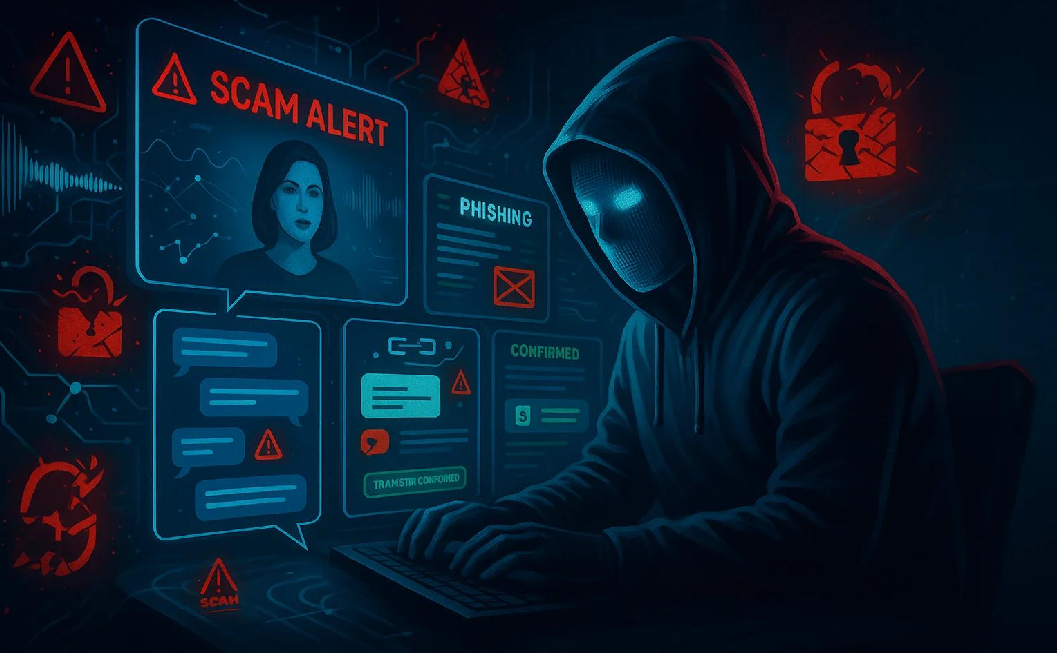
AI Scams in 2026 are becoming a serious online security threat as hackers use artificial intelligence to create fake voices, deepfake videos, phishing messages, and fraudulent websites. These AI-powered scams can trick people into sending money, revealing passwords, or sharing sensitive personal information. As AI technology becomes more advanced, knowing how these scams work can help users protect themselves from online fraud.
These AI scams in 2026 are becoming harder to recognize because criminals can now imitate real people and trusted organizations. From fake investment opportunities to emergency calls pretending to come from family members, online fraud is becoming more sophisticated.
According to the FBI’s 2025 Internet Crime Report, complaints involving AI-related information accounted for more than $893 million in reported losses. This highlights why online users need to understand how these scams work.
5 Common AI Scams People Should Know About
1. AI Voice Cloning Scams
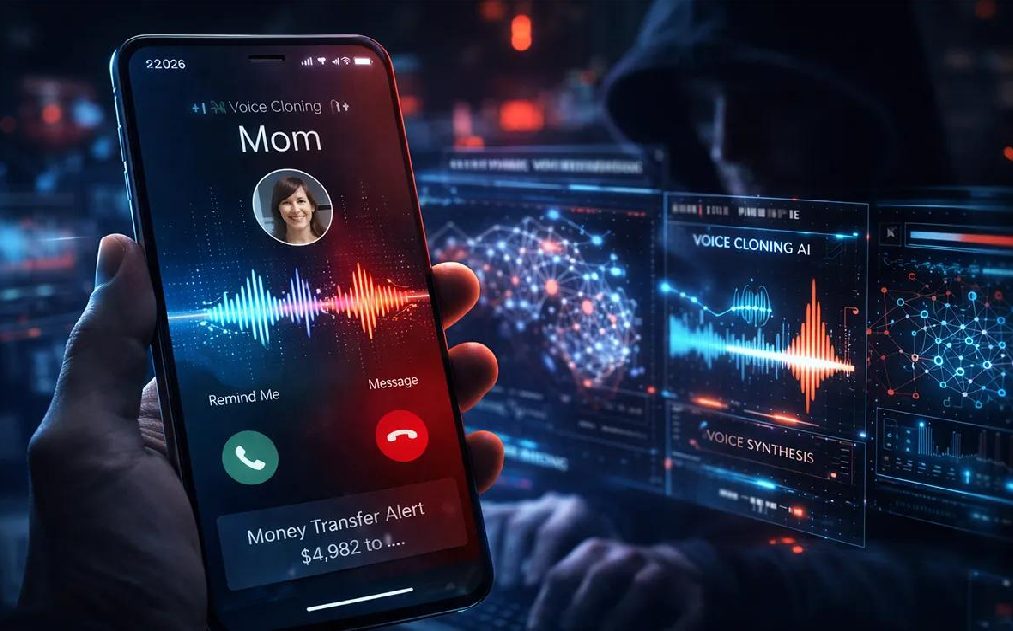
One of the most convincing AI-powered scams in 2026 involves voice cloning. Criminals can use short audio recordings to imitate the voice of a family member, friend, or colleague.
For example, a person might receive a phone call that sounds exactly like their child, sibling, or friend asking for emergency money. The caller may claim they have been in an accident or need urgent financial help.
Always verify the situation by calling the person directly through their saved phone number.
2. Deepfake Video Scams
Deepfake fraud is another growing problem linked to AI Scams in 2026. Criminals can create realistic videos of celebrities, executives, and public figures.
Some criminals also use deepfake video calls to impersonate company employees and convince victims to transfer money.
Never trust an investment opportunity simply because a familiar face appears in its promotional video.
3. AI-Generated Phishing Messages
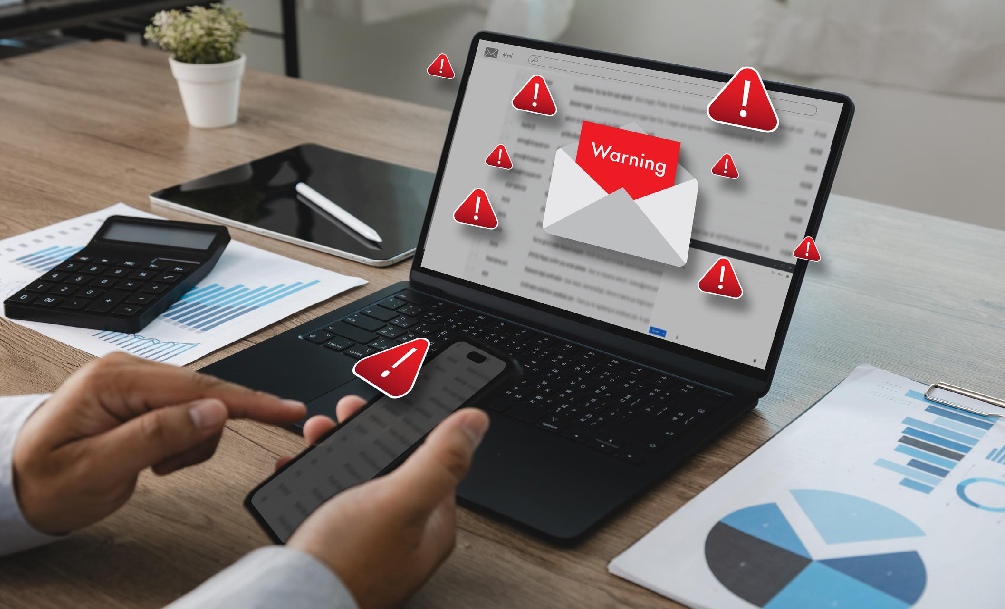
Another major example of AI Scams in 2026 is AI-generated phishing. Criminals can create convincing emails and messages that appear to come from banks, businesses, or government organizations.
These messages may pretend to come from banks, delivery companies, online stores, or government organizations. They encourage users to click fraudulent links and enter passwords, banking information, or verification codes.
Always check the sender’s address and visit official websites directly instead of clicking unexpected links.
4. Fake AI Investment Scams
Fake investment schemes are also becoming more sophisticated through AI-powered scams. Fraudsters can create professional websites, advertisements, testimonials, and fake celebrity endorsements.
Victims may be directed to professional-looking websites that display fabricated profits. After depositing money, they may discover that withdrawals are blocked or the platform has disappeared.
Be suspicious of guaranteed profits and investment offers that pressure you to deposit money quickly.
5. Fake Job Offers and Online Relationships
AI tools make it easier to create fake recruitment messages, professional profiles, and realistic conversations.
Scammers may contact job seekers with attractive remote-work opportunities and request registration fees, identity documents, or banking details.
Similarly, criminals can use AI-generated photos and chatbots to build fake online relationships before requesting financial assistance.
Never pay an employer to secure a job without independently verifying the company.
How to Protect Yourself From AI Scams in 2026
Understanding AI-powered scams is the first step toward protecting your money and personal information. Protecting your money starts with verifying information before taking action. Follow these precautions:
- Verify identities: Call family members or colleagues using trusted contact details.
- Use two-factor authentication: Add another security layer to important accounts.
- Avoid suspicious links: Never enter banking information through unexpected messages.
- Check investment platforms: Research companies before transferring money.
- Protect personal information: Avoid sharing sensitive details publicly on social media.
- Never share OTPs: Banks and legitimate services should not ask you to disclose your verification codes over unsolicited calls.
For more insights into artificial intelligence and its impact on digital platforms, read our guide on Social Media Trends in 2026.
The FBI has also published an important warning about criminals using generative AI for financial fraud. You can also follow INTERPOL’s latest awareness campaign on deepfake scams to understand emerging threats.
What Should You Do If You Become a Victim?
If you suspect an AI scam, stop communicating with the suspected criminal immediately. Contact your bank or payment provider to report the transaction and request assistance.
Change compromised passwords, secure your accounts, and preserve screenshots, messages, phone numbers, and transaction records. In Pakistan, you can also report cybercrime through the National Cyber Crime Investigation Agency (NCCIA).
As AI Scams in 2026 continue to evolve, online users should become more careful about unexpected calls, messages, investment offers, and requests for money. Taking a few seconds to verify information can prevent serious financial and personal losses.
Frequently Asked Questions
1. What are AI scams?
AI scams are fraudulent activities in which criminals use artificial intelligence to create fake voices, videos, messages, and identities to steal money or personal information.
2. Can AI clone someone’s voice?
Yes. AI voice-cloning technology can imitate a person’s voice using audio samples, making fake emergency calls and impersonation attempts more convincing.
3. How can I identify an AI scam?
Look for unexpected payment requests, urgent messages, suspicious links, unrealistic investment promises, and unusual requests for personal information. Always verify identities independently.
4. Are AI scams dangerous in 2026?
Yes. AI makes impersonation and fraudulent communication easier to produce at scale. Therefore, individuals and businesses should strengthen their online security.
5. What is the safest way to avoid AI fraud?
Verify unexpected requests through trusted channels, use two-factor authentication, avoid sharing OTPs, and never transfer money without confirming the recipient’s identity.